Eine historische Praxeologie des digitalen Harold Garfinkel Archivs Schon zu Lebzeiten Harold Garfinkels (1917–2011) war sein Archiv ein Mythos, da es in seiner netzwerkartigen und zugleich sequentiellen Organisationsstruktur den wissenschaftlichen Anspruch der Praxeologie dokumentierte und bis heute eine wichtige Ressource für Gegenwartsforschung geblieben ist. Das Archiv des Begründers der Ethnomethodologie umfasst Dokumente im Umfang von ca. 1 Million Papierseiten, ca. …

„Challenges as catalysts: how Waymo’s Open Dataset Challenges shape AI development“
The ‚challenge‘ is an established format in the context of ML and AI development. Read the technographic analysis of „Challenges as catalysts“ that Sam Hind, Fernando van der Vlist and Max Kanderske have written for AI & Society. The article is available in open access.
Chains of Co-operation
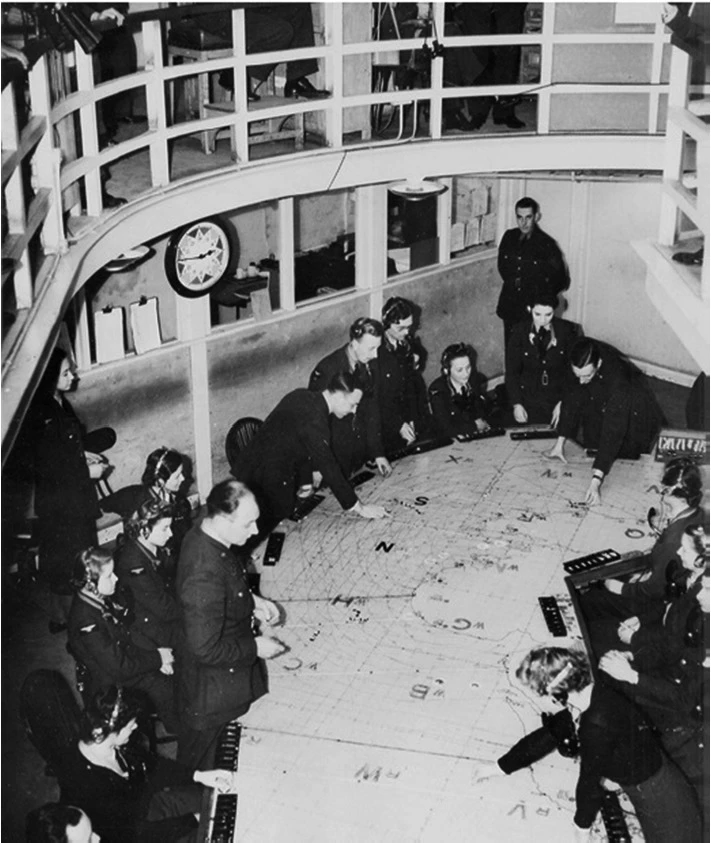
Der Band Materiality of Cooperation – herausgegeben von Sebastian Gießmann, Tobias Röhl, Ronja Trischler und Martin Zillinger – ist 2023 im Verlag Springer VS erschienen. Darin enthalten ist der von Tristan Thielmann und Christoph Borbach verfasste Beitrag “Chains of Co-operation in the 1940s: Working on the Air Situation Picture”. This chapter examines radar-based media practices at the beginning of the …
The History of Gulfport Field 1942
by Harold Garfinkel
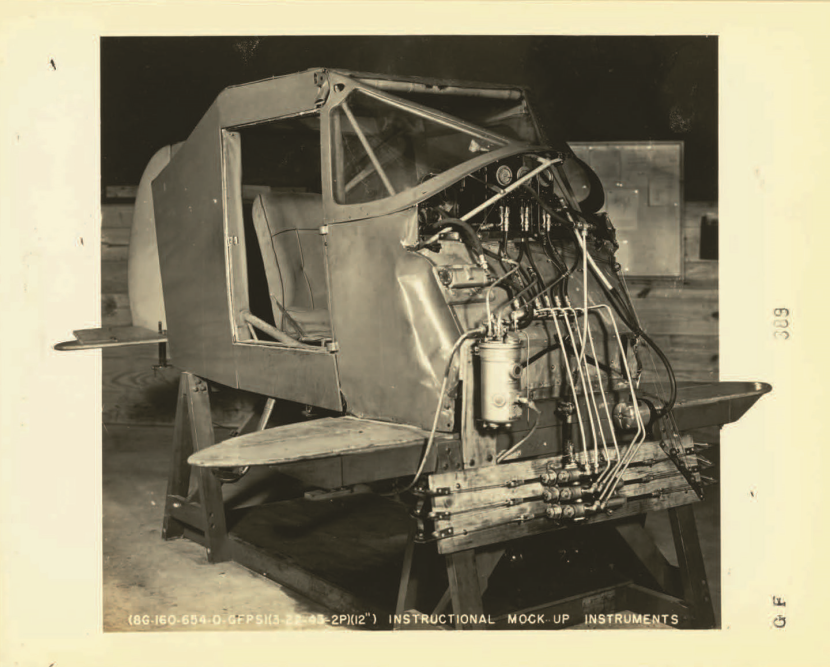
This volume makes available for the first time an unpublished report of wartime research, titled „The History of Gulfport Field 1942“, written by Harold Garfinkel, for the US Army Air Forces (AAF) in 1943. The report has both historical and sociological significance. It has value as a historical document that presents in great detail how AAF personnel involved in training aircraft mechanics at one site (Gulfport Field, Mississippi) managed to contend with the rapid construction and deployment of training necessitated by World War II, with its accompanying shortages of material and experienced trainers, and surpluses of persons to be trained.
Navigation in Online-/Offline-Räumen
DFG-Teilprojekt A3 des SFB 1187 „Medien der Kooperation“
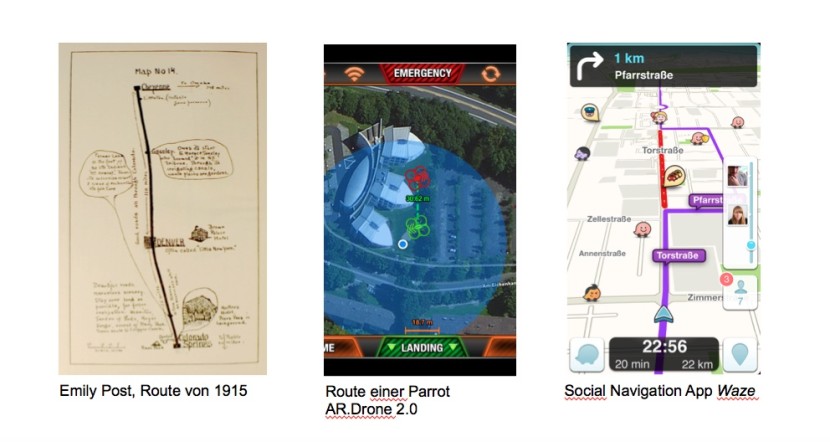
Durch das gemeinschaftliche Sammeln (Crowdsourcing), Zirkulieren und Neuordnen von Geodaten scheinen sich mobile Navigationsanwendungen zu einem ‚sozialen Medium‘ zu wandeln. Inwiefern rekurrieren die neuen vernetzten Mobilmedien dabei auf historische Praktiken kollaborativer Kartographie?